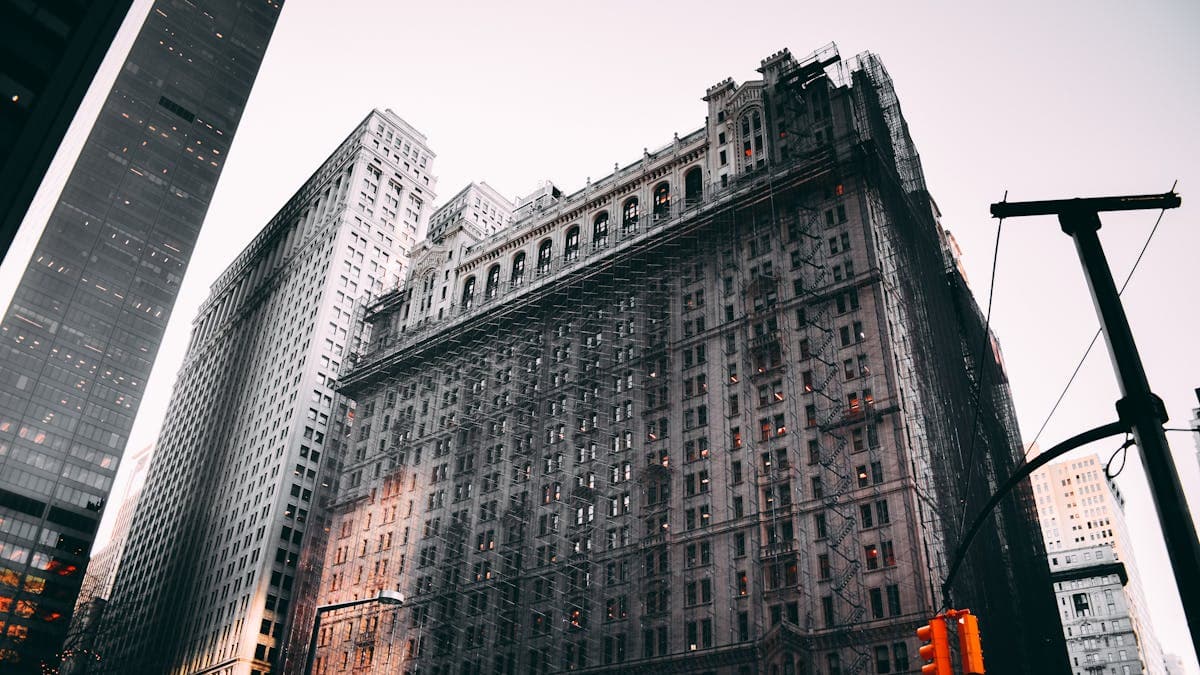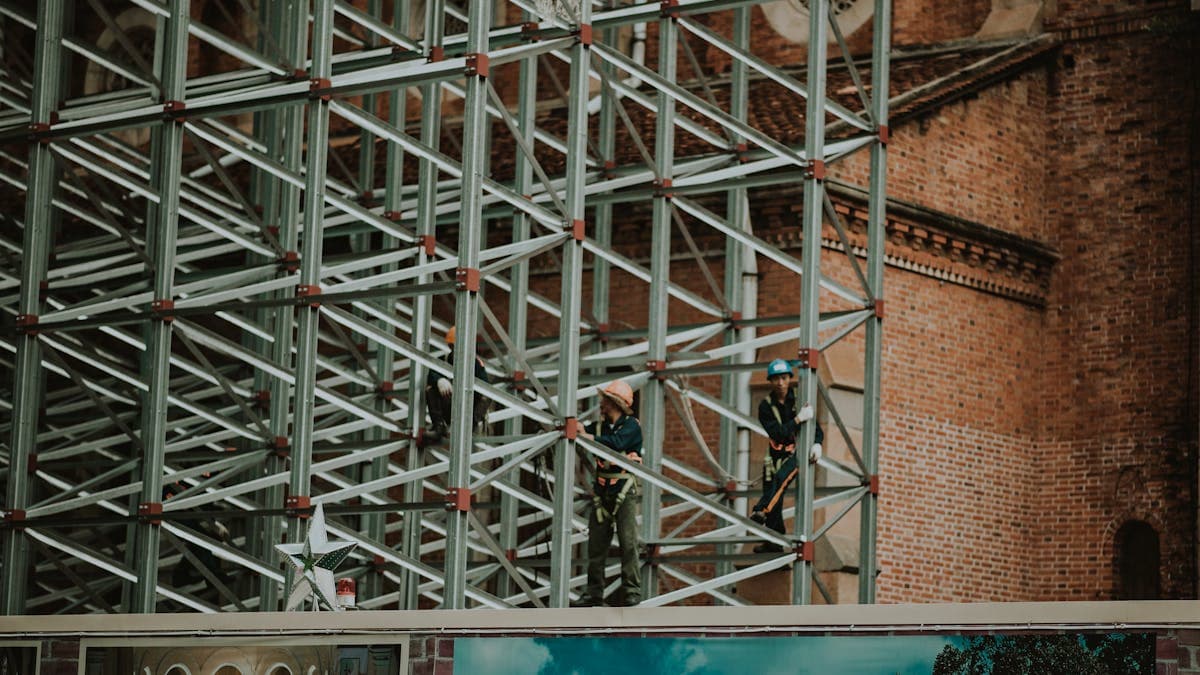
Roof problems in New York City rarely start as emergencies. Most begin with small, almost unnoticeable issues — a slight discoloration on a ceiling tile, a damp patch near a window frame, or a subtle musty smell that comes and goes. By the time most property owners take these signs seriously, the damage has already penetrated deep into the building's interior.
For NYC property owners — whether you own a brownstone in Brooklyn, a co-op on the Upper West Side, or a commercial building in Midtown — roof leaks are not just a roofing problem. They become an interior construction problem fast. Water migrates through structural elements, insulation, and wall cavities in ways that aren't always visible until the damage is extensive.
Common Causes of Roof Leaks in New York City
NYC's climate is particularly harsh on roofing systems. Freeze-thaw cycles in winter, summer heat expansion, and heavy rain events all accelerate deterioration. The most common causes of roof leaks in NYC buildings include:
- Aged or cracked membrane waterproofing on flat roofs
- Failed flashing around parapet walls, skylights, and HVAC penetrations
- Blocked or damaged roof drains causing pooling
- Cracked masonry on parapets and cornices allowing water infiltration
- Failed caulking around rooftop equipment and pipe penetrations
- Improperly installed or deteriorated expansion joints
Warning Signs You Should Never Ignore
Catching a roof leak early is the difference between a minor repair and a full interior gut renovation. Watch for these indicators inside your building:
- Water stains or yellow/brown rings on ceilings or upper walls
- Bubbling or peeling paint on interior surfaces
- Warped, swollen, or buckled drywall or plaster
- Musty odors in upper-floor rooms or closets
- Visible mold or mildew growth along ceiling lines
- Elevated humidity readings on upper floors in dry weather
What Happens When Roof Leaks Go Untreated
Water damage doesn't stay put. Once moisture enters a building envelope, it travels — through insulation batts, along structural framing, and into wall cavities. Over time, this leads to mold colonization, compromised drywall, rusted structural fasteners, and in severe cases, damage to electrical systems and subfloor assemblies.
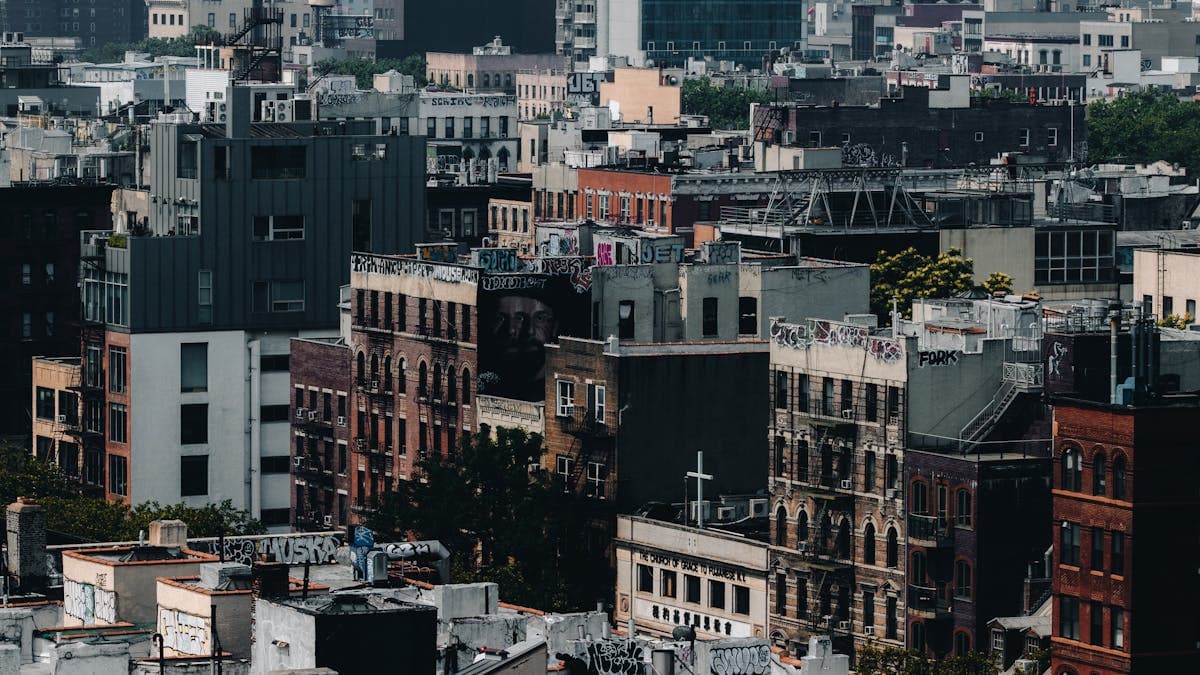
In NYC's dense housing stock — where apartments stack directly on top of each other — a roof leak on the top floor can eventually affect units two or three floors below. Remediation becomes exponentially more expensive the longer it is left unaddressed.
The most expensive repair is always the one that could have been caught six months earlier.
When to Call a Professional Interior Construction Team
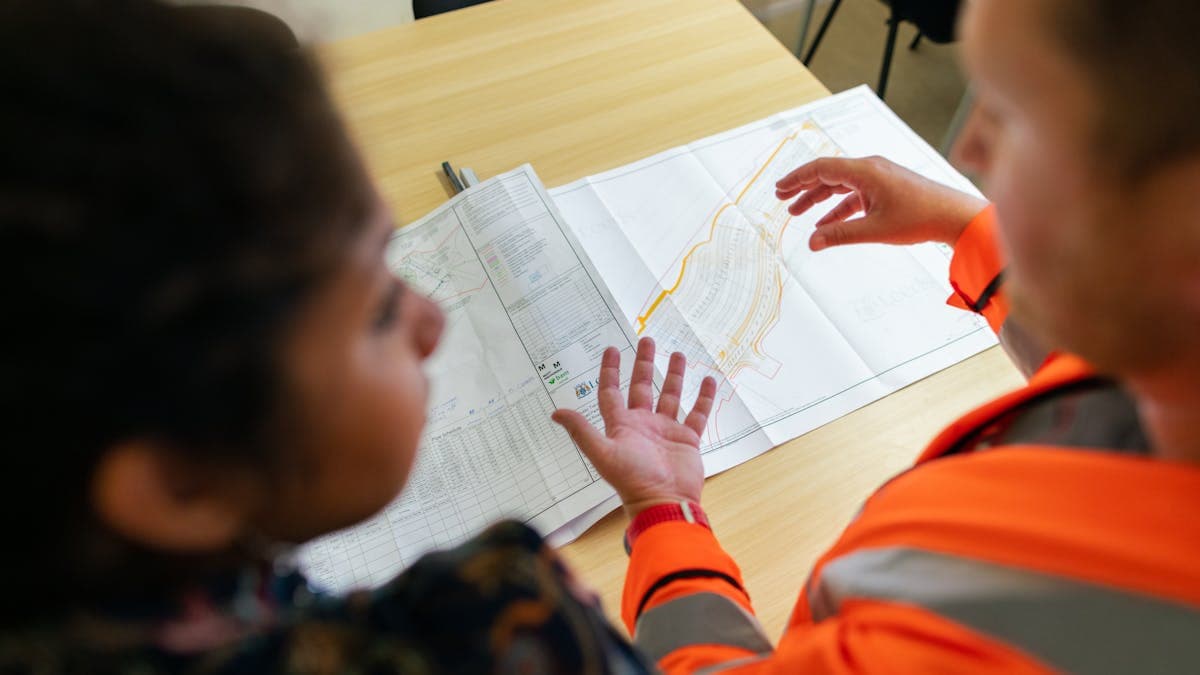
Once water has entered your building's interior, roofing repairs alone are rarely enough. You'll need a qualified interior construction team to assess the full extent of the damage, remove affected materials, address mold if present, and restore the space to its pre-damage condition.
At AKing US Construction, we handle the full scope of interior water damage remediation — from drywall replacement and ceiling system restoration to MEP repairs and finishes. If you've noticed signs of water intrusion in your NYC property,
contact us for a free assessment.