Every year, thousands of New York City property owners receive violation notices from the Department of Buildings related to Local Law 11 — the Façade Inspection Safety Program. Many of these violations could have been avoided with proactive maintenance and timely FISP filing. Others result from owners simply not understanding their obligations under the law until a violation arrives.
If you own or manage a building over six stories in NYC, here is what you must know before a small issue becomes a costly emergency.
The Five-Year Cycle Is Not Optional
Local Law 11 inspections are required on a mandatory five-year cycle. Missing your filing window results in an automatic DOB violation, regardless of whether your building actually has any façade issues. The fines for late filing begin at $1,000 per month and escalate quickly — many property owners are surprised to discover they've accumulated significant penalties simply because they were unaware of their deadline.
Small Cracks Are Not Small Problems
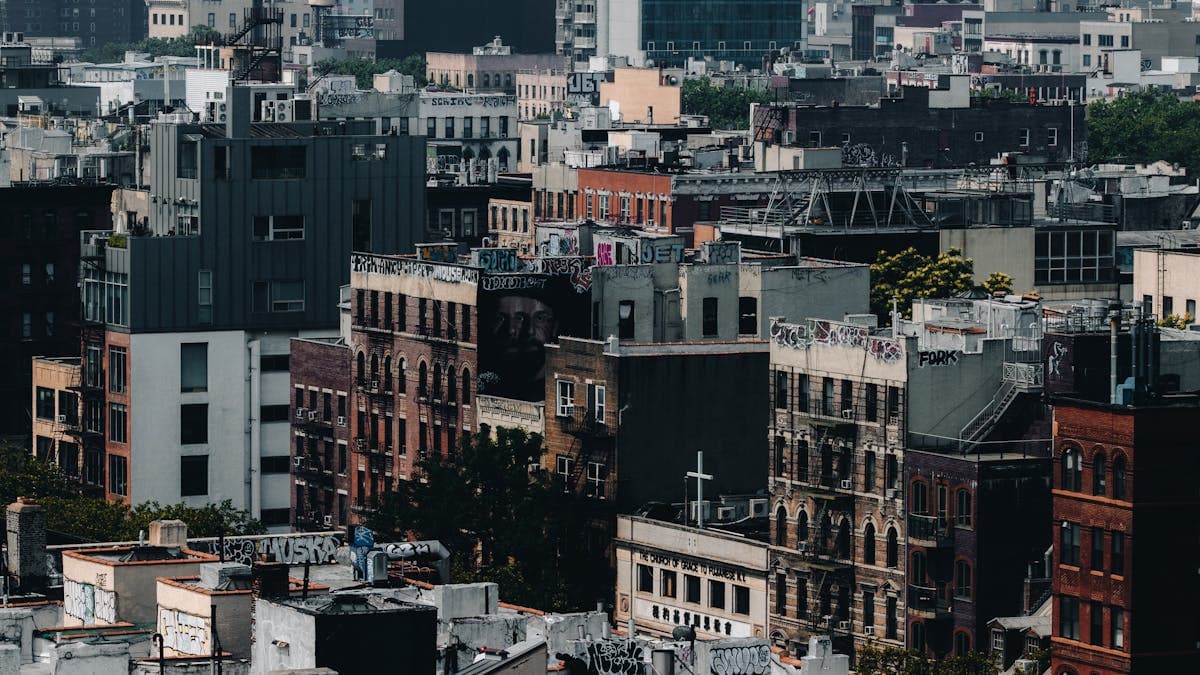
Masonry buildings are particularly susceptible to issues that start small and escalate rapidly. A hairline crack in a parapet, a spalled brick at a window lintel, or failed caulk at a rooftop penetration may look cosmetic — but each creates a pathway for water. In NYC's freeze-thaw climate, that water expands and contracts seasonally, widening cracks and loosening masonry year over year.
A $500 repointing job left undone for two seasons routinely becomes a $15,000 interior remediation and façade repair.
Unsafe Designations Require Immediate Action
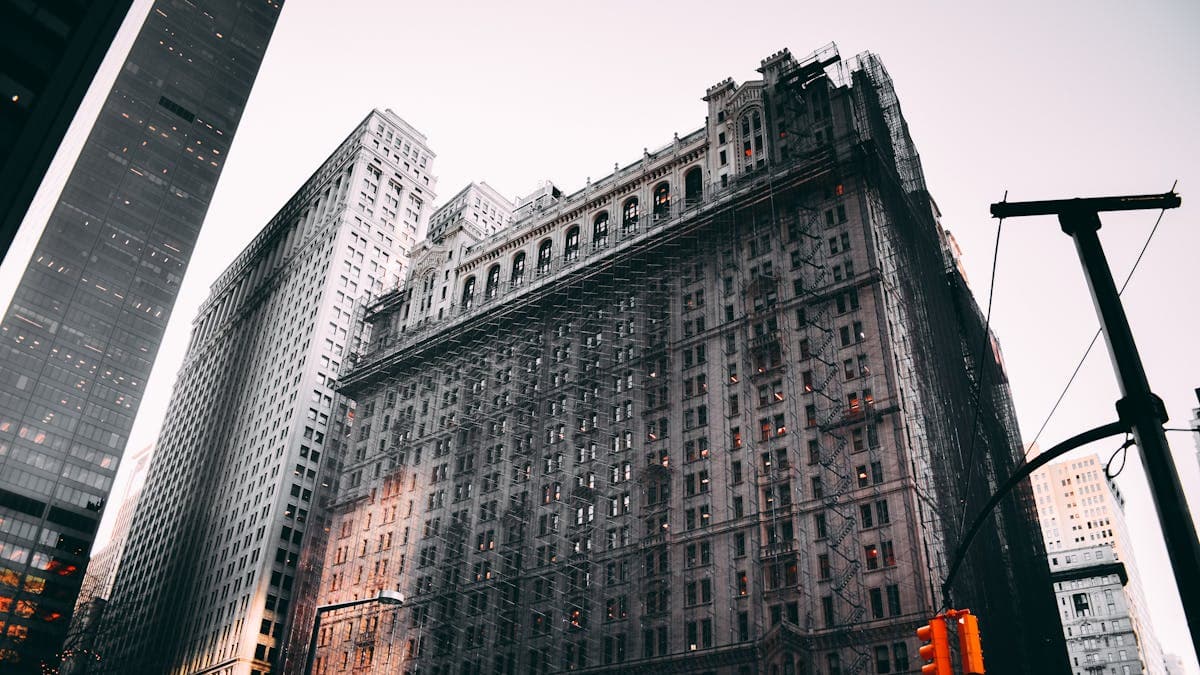
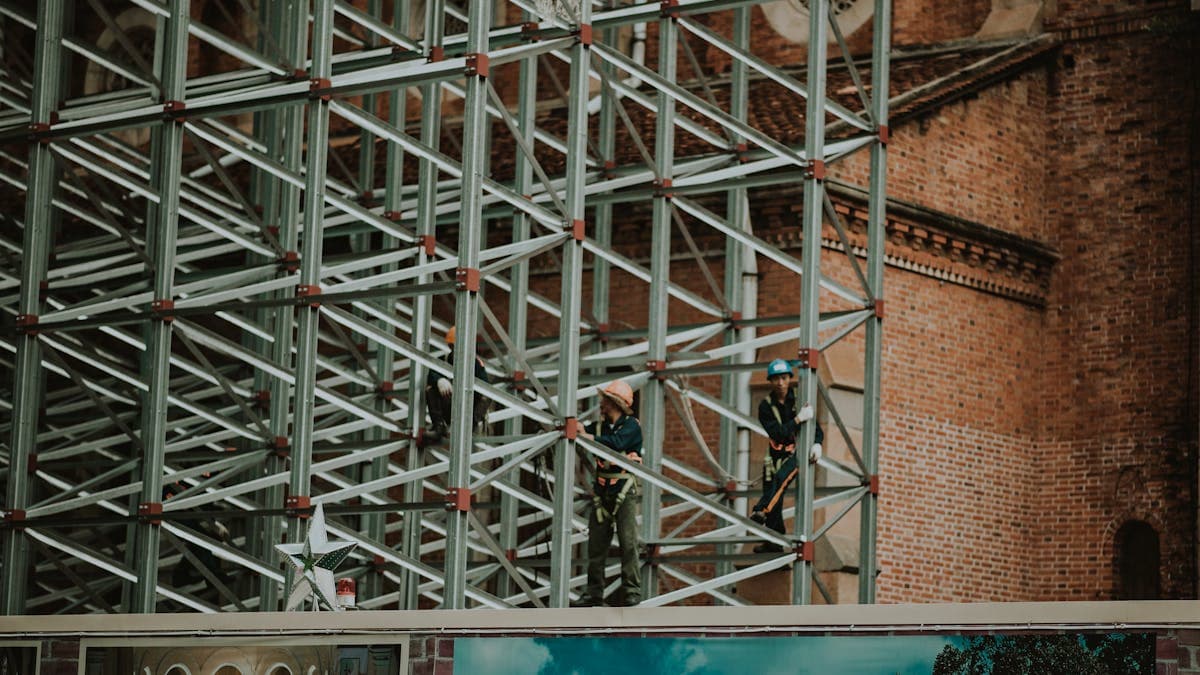
When a QEWI designates a building as Unsafe, the DOB requires immediate repair action. This often means installing a sidewalk bridge (shed) at the owner's expense while repairs are completed. Sidewalk sheds can cost $5,000–$15,000 per month to maintain and significantly impact street-level commercial space. The sooner repairs are completed and signed off, the sooner the shed comes down.
Work With Contractors Who Understand the Compliance Process
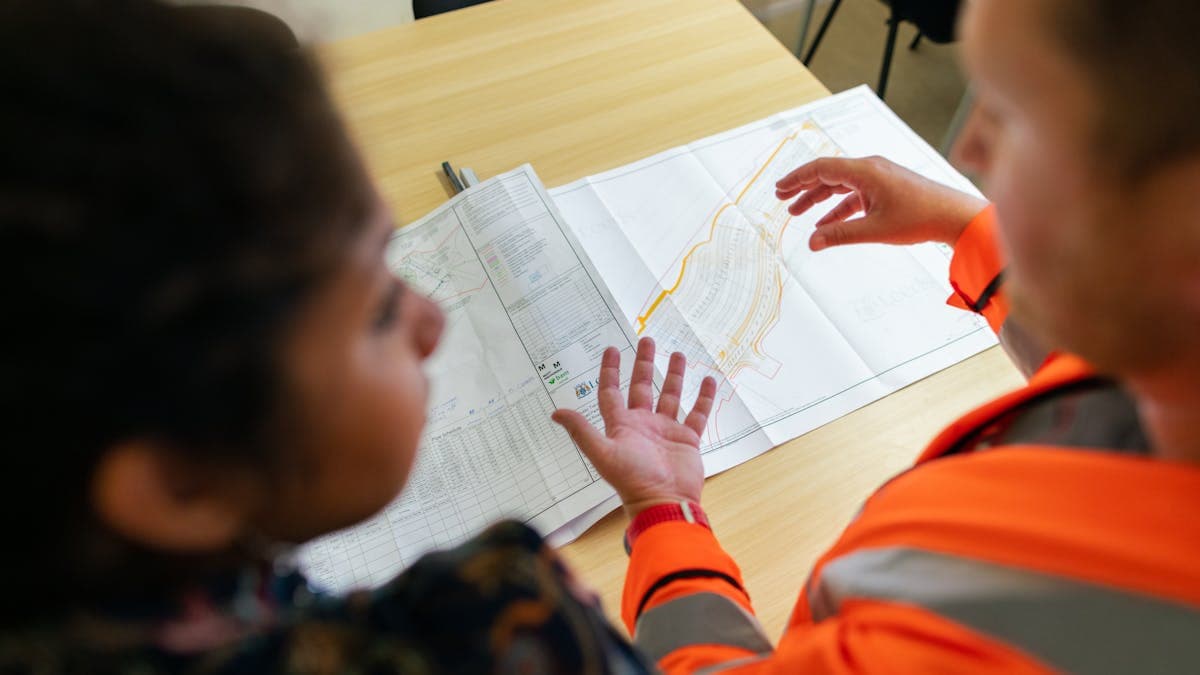
FISP-related repairs are not ordinary construction work. They must be documented, photographed, and filed with the DOB through a QEWI. The repair contractor must coordinate with the inspector at every stage. Working with a team that has experience in FISP compliance significantly reduces the risk of filing errors, re-inspection delays, or work that doesn't meet DOB standards.
AKing US Construction has extensive experience working alongside licensed engineers and architects on Local Law 11 repairs across NYC's five boroughs — from masonry repointing and lintel replacement to interior water damage remediation.
Contact us to discuss your building's compliance schedule.